Water & settlement
Susa’s long life was shaped by the Karkheh and Shavur river environment. Canals and regional hydraulic works supported settlement and agriculture in a demanding climate.
One of the ancient Near East’s great urban centers, Susa connected cultures, administrations, materials, and architectural ideas across thousands of years.
Susa rose in the lowlands of southwestern Iran and became a principal city of Elam. In the sixth century BCE it emerged as an administrative capital of the Achaemenid Empire. Its position between the Iranian plateau and Mesopotamia made it a center of movement, exchange, governance, and building innovation.
UNESCO inscribed Susa on the World Heritage List in 2015, recognizing the site’s unusually long archaeological record and its influence on regional architecture.
Archaeology at Susa records the transition from early settlement to organized urban society.
Susa became a political, religious, and cultural center closely connected with Mesopotamia.
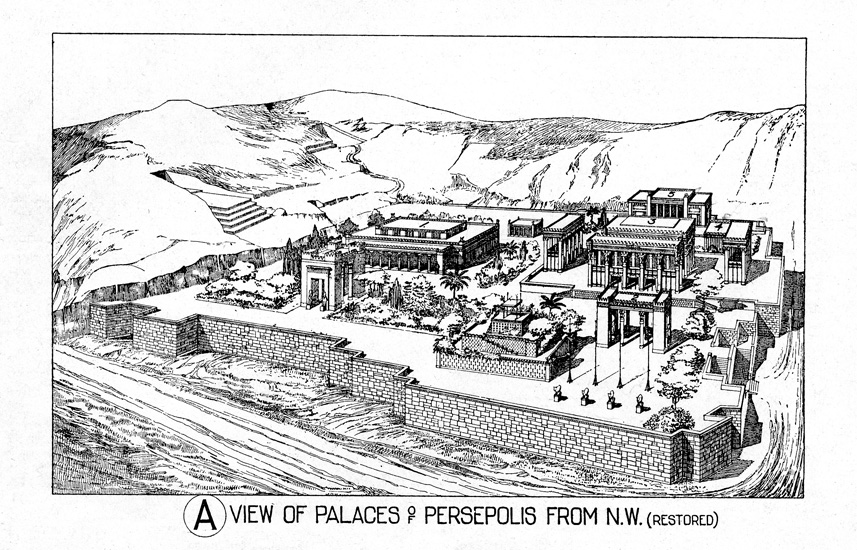
Darius I developed a palace complex whose monumental and ceremonial architecture helped define an imperial language.
The site remained important across later periods and continues to inform archaeology, architecture, and cultural memory.
The grandeur of ancient construction depended on coordinated labor, logistics, water, foundations, materials, geometry, and repeatable building knowledge.
Susa’s long life was shaped by the Karkheh and Shavur river environment. Canals and regional hydraulic works supported settlement and agriculture in a demanding climate.
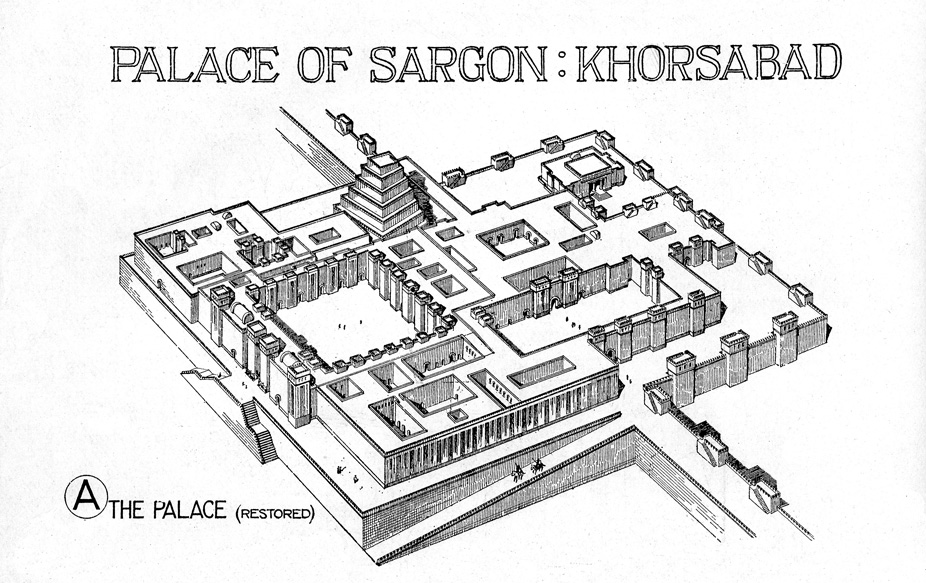
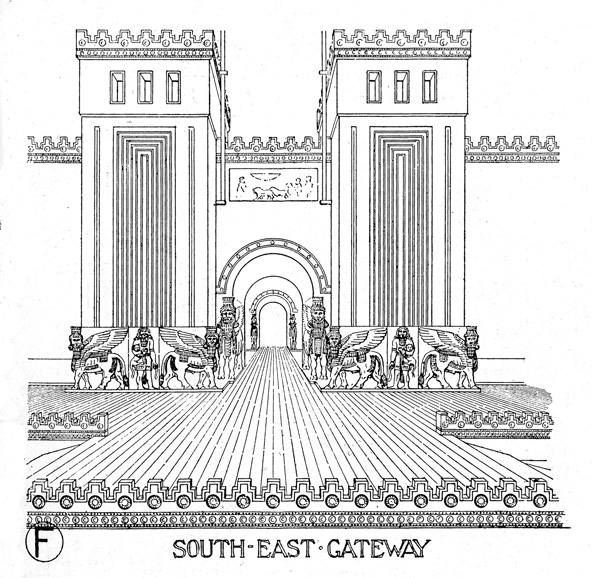
Platforms, courts, gateways, columned halls, and circulation routes turned architecture into a tool of ceremony, administration, and civic order.
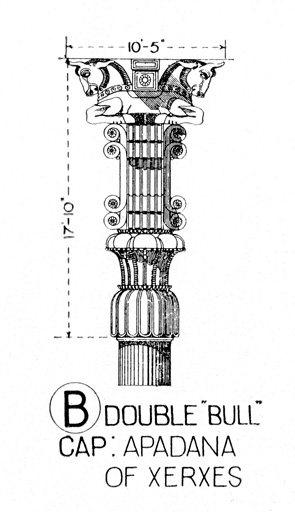
Achaemenid construction brought together materials, craftspeople, and visual traditions from across an extensive empire—an early lesson in complex project coordination.
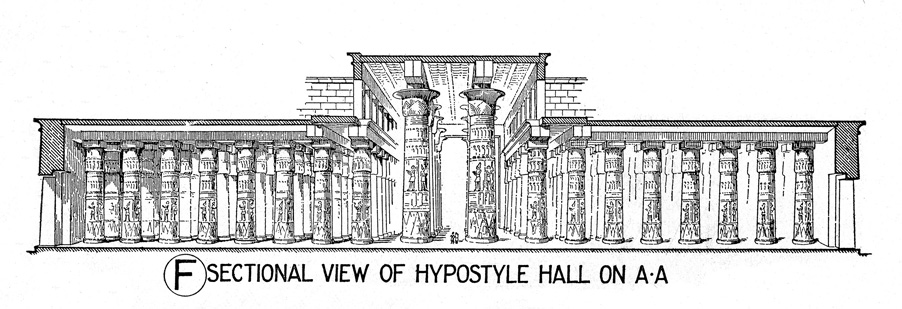
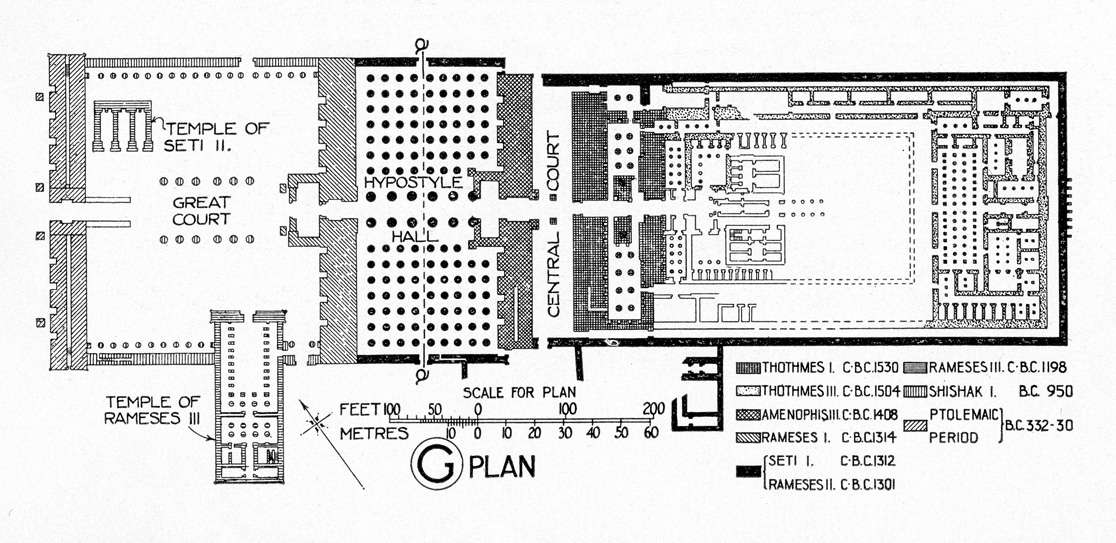
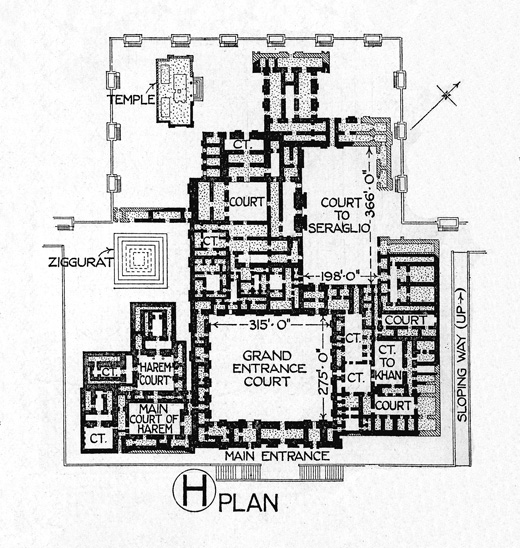
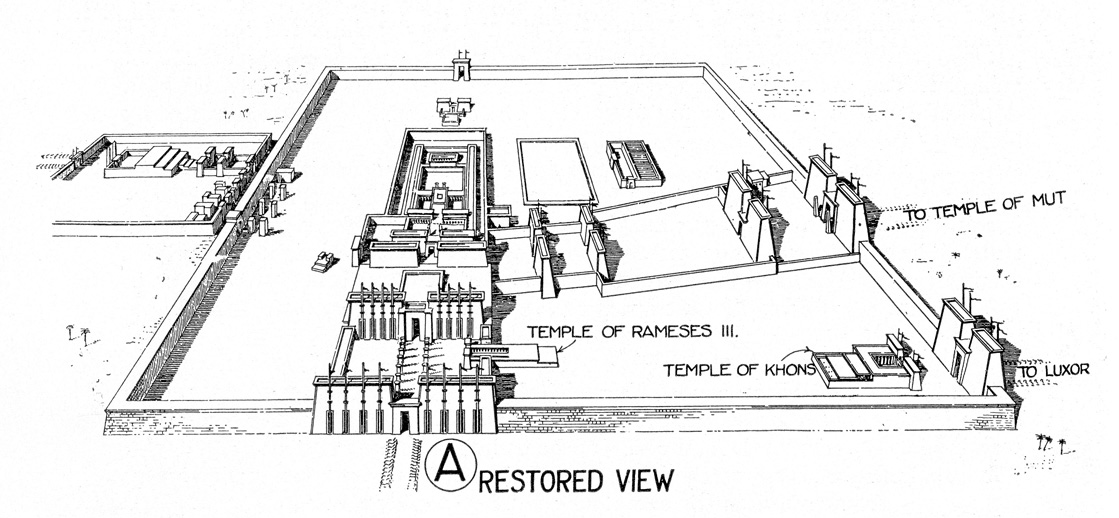
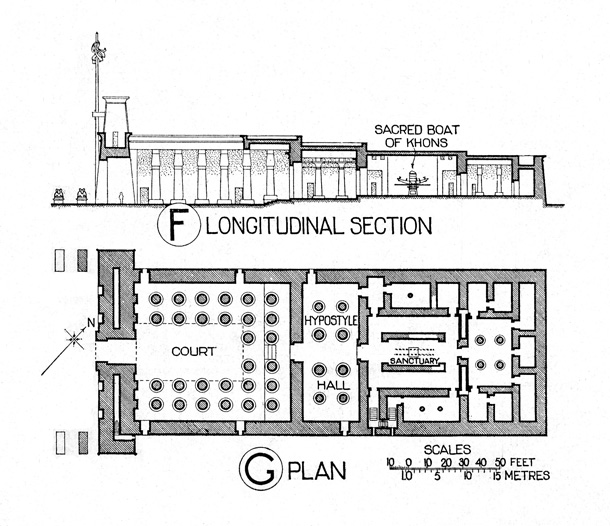
These supplied architectural plates span Persian, Assyrian, and Egyptian examples. Together they reveal shared problems—structure, procession, enclosure, scale, and craft—solved through different building traditions.
Susa’s legacy is not a style to copy. It is a standard to remember: architecture is a public act, engineering is collaborative, and durable work can connect generations.
Our company values →